Telephone: +86-187-1379-6222 WhatsApp: +8613785726449 Phone: +86-0317-8301268 Email: btxthb@china-xintian.cn

Please Choose Your Language


Views: 0 Author: Site Editor Publish Time: 2026-06-19 Origin: Site


Operating a Bag Dust Collector without a rigorous inspection protocol risks regulatory non-compliance. It virtually guarantees premature component failure, unplanned downtime, and hazardous particulate leaks. Whether managing a high-volume industrial bag dust collector or a localized woodshop bag dust collector, standardizing your inspection routine is vital. This standard acts as the critical bridge between reactive repairs and proactive operational efficiency. Poor maintenance leads to safety hazards and severe equipment degradation.
This guide breaks down evidence-based inspection criteria and critical failure warning signs. You will discover the evaluation frameworks needed to maintain your filtration systems properly. We will show you how to secure replacement components and safeguard your facility. Following these steps ensures continuous operation and protects your bottom line.
Baseline Metrics Matter: Always record differential pressure (ΔP) readings before shutting down bag dust collector systems to accurately diagnose blinding or airflow constraints.
Visual Evidence Trumps Assumptions: Dust buildup in the clean-air plenum is the definitive indicator of a bypassed or ruptured filter bag dust collector system.
Cage Condition Dictates Bag Health: Inspecting the filter bag is only half the job; warped, rusted, or broken cages are the primary catalyst for mechanical bag abrasion.
Scale Dictates Strategy: Inspection logistics shift dramatically whether you are managing a single bag dust collector or a multi-tiered continuous pulse-jet facility.
Unplanned equipment outages stall production lines immediately. Routine checks reduce overall operational waste significantly. They extend filter life and prevent catastrophic motor or fan failures. Keeping your system running smoothly guarantees better resource allocation. Proper maintenance stops minor issues from escalating into major repairs.
Regulatory compliance remains a strict necessity. Facilities must ensure adequate combustible dust mitigation. You need to adhere strictly to permissible exposure limits (PEL). Governing bodies like OSHA and NFPA enforce these safety guidelines vigorously. Failing an inspection brings severe penalties and puts workers at risk.
You must define success using clear efficiency metrics. Maintaining optimal differential pressure represents a core goal. Achieving zero visible emissions demonstrates system integrity. You should also minimize compressed air usage for pulse-jet models. Hitting these targets ensures your equipment operates at peak performance.
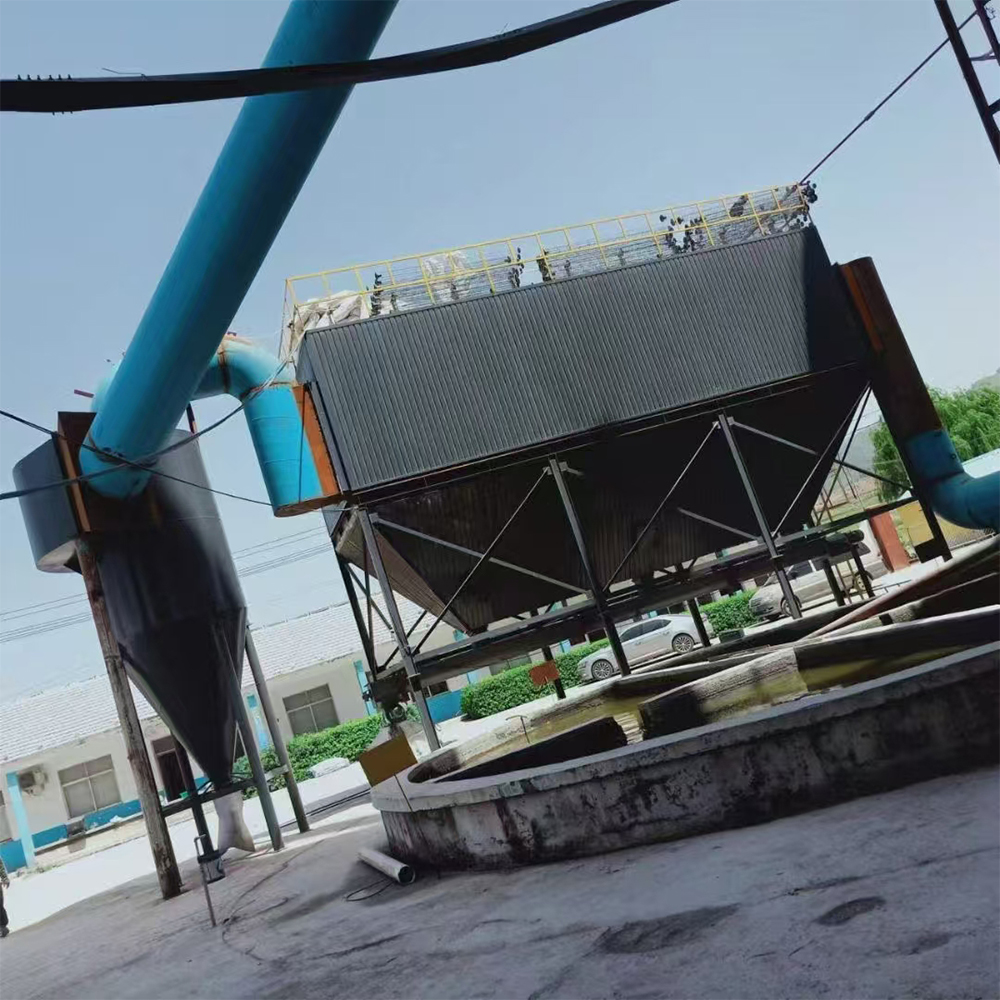
Establishing an operational baseline is your first step. Document the differential pressure (ΔP) gauge readings carefully. Do this while the system runs under normal load. A high ΔP reading indicates severe fabric blinding. A uncharacteristically low ΔP suggests a tear or system leak.
Safety must dictate your entire approach. Lockout/Tagout (LOTO) procedures are absolutely mandatory. Confined spaces present immediate and life-threatening dangers. Combustible dust environments require highly specialized handling protocols. You must clear the area of ignition sources before opening access doors. We highly recommend reviewing NFPA guidelines before beginning any internal work.
Conduct a thorough visual stack observation next. Look closely at the exhaust stack before shutting down. Search for any trailing dust plumes in the air. Visible particulate clearly indicates compromised filtration integrity. Document these visual findings to guide your internal inspection focus.
Begin inside the clean-air plenum area. Open the top access doors cautiously. Check for any trace of dust accumulation. Finding material here signals a broken seal. It often indicates a ruptured filter bag dust collector element. Loose tubesheets also allow particulate bypass into clean zones.
Move on to inspecting bags and cages. Check their tension, fit, and vertical alignment. Verify no bag-to-bag touching exists inside the housing. Physical contact causes rapid mechanical abrasion during operation. Ensure proper snap-band seating to maintain airtight seals.
Examine the hopper and evacuation system carefully. Inspect rotary airlock valves for worn rotor tips. Check slide gates for smooth, unobstructed operation. Hoppers should never store accumulated dust material. Storing dust risks combustible fires and accelerates bag abrasion. The material must evacuate continuously.
Evaluate the automated cleaning mechanisms next. Shaker setups frequently suffer from linkage wear over time. Pulse-jet bag dust collector systems require strict diaphragm valve checks. Monitor solenoid firing sequences for consistency. Confirm steady compressed air header pressure during pulsing cycles.
Mechanical abrasion creates distinct wear patterns quickly. You will often see damage near the bottom seams. Check the fabric along cage wires closely. Inspect areas positioned directly opposite inlet baffles. Abrasive airstreams destroy fabric integrity rapidly. Identifying the exact wear location helps pinpoint the mechanical flaw.
Thermal degradation makes material extremely brittle. High temperatures crack synthetic fabric fibers over time. Chemical attacks reduce overall tensile strength drastically. Moisture causes hydrolysis in specific operating environments. Powdery degradation usually points directly to acid or alkali reactions.
You must match symptoms to root causes accurately. Adjust baffles if heavy abrasion occurs frequently. Replace bent cages instead of swapping bags blindly. Implementing the correct fix prevents repeat failures.
Observed Symptom | Probable Root Cause | Recommended Action |
|---|---|---|
Wear at bag bottom | Hopper dust buildup | Clear hopper; check rotary valve |
Vertical wear lines | Bent or rusted cages | Replace damaged cages immediately |
Brittle or cracking fabric | Operating above temp limits | Upgrade bag material; lower gas temp |
Powdery fiber breakdown | Acid/Alkali chemical attack | Switch to PTFE or specialized fabric |
Scale impacts your maintenance strategy heavily. Small-scale units demand focused, localized checks. When monitoring a single bag dust collector, watch the manual bin seals closely. A double bag dust collector setup behaves similarly. Some smaller facilities prefer a dual configuration for localized airflow. Inspecting a two bag dust collector involves checking for rapid wear. Direct wood chip impact causes damage quickly in these units.
Mid-size modular setups introduce new airflow variables. A 3 bag dust collector requires perfectly balanced distribution. Operators running a triple bag dust collecto must check manifold pressure frequently. Expanding operations to a 4 bag dust collector demands strict filter zone balancing. Uneven loading causes premature failure in specific sections.
Heavy industrial systems focus heavily on automation diagnostics. Check large structural housings for weld fatigue. Ensure high-volume particulate loading remains stable. Large installations require multi-day inspection windows during scheduled shutdowns.
When parts fail, evaluate your replacement options carefully. You must base material choices on operating conditions. Consider the following dimensions during your evaluation:
Temperature Limits: Match fabric limits to your exhaust gas heat.
Micron Ratings: Ensure the media captures fine particulate efficiently.
Moisture Resistance: Select hydrophobic materials for wet operating environments.
Assess vendors strictly before making bulk purchases. Look for custom fabrication capabilities. Evaluate average lead times and technical support quality. Regional supply chains reduce costly shipping delays significantly. Many facilities successfully source components globally.
Decide whether to upgrade or simply repair. Minor fabric tears allow simple adhesive patching. Extensive material degradation requires full system replacements. Retrofitting existing units with pleated filters boosts capacity significantly. Upgrading the entire collector becomes necessary when structural integrity fails.
Filter Material | Max Operating Temp | Moisture Resistance | Best Application |
|---|---|---|---|
Polyester | 275°F (135°C) | Poor | General dry dust, woodworking |
Aramid (Nomex) | 400°F (204°C) | Good | High heat, asphalt, cement |
PTFE Membrane | 500°F (260°C) | Excellent | Chemical processes, sticky dust |
A systematic inspection routine prevents minor wear from escalating. Accurate diagnostics rely entirely on logging differential pressure accurately. You must respect safety protocols like LOTO during every check. Correctly identifying the root causes of degradation saves significant maintenance hours.
Do not wait for a catastrophic failure to occur. Download a standardized inspection checklist today. Consult an engineering partner to analyze any frequently failing components. Request a quote for high-performance replacement parts immediately to safeguard your facility.
A: Perform daily monitoring of differential pressure (ΔP). Conduct weekly checks of the cleaning system and evacuation hoppers. Schedule thorough internal visual inspections quarterly or bi-annually during planned facility shutdowns.
A: Lifespans typically range from 1 to 3 years. This depends heavily on wood type, moisture content, and daily operational hours. Using a pre-separator cyclone extends filter life significantly.
A: Look for fine dust settling on surrounding equipment. Watch for visible dust trails emitting from the exhaust stack. An uncharacteristically low pressure drop also signals a ruptured seal.
A: Not always, but you must inspect them strictly. Replace any cage that is bent, rusted, or has broken welds. Compromised cages will immediately destroy your new replacement filters.


