Telephone: +86-187-1379-6222 WhatsApp: +8613785726449 Phone: +86-0317-8301268 Email: btxthb@china-xintian.cn

Please Choose Your Language


Views: 0 Author: Site Editor Publish Time: 2026-06-22 Origin: Site


Industrial air filtration carries high stakes for facility managers and operators alike. Choosing the wrong filtration setup inevitably leads to frequent filter binding, severe combustible dust hazards, and hefty non-compliance fines. You cannot afford unexpected downtime when production schedules run tight. Protecting your workforce requires precision engineering and reliable machinery.
Facilities generally weigh two primary architectures for their air quality needs. You can choose tubular woven or felted bags, or you can opt for pleated cartridge media. Each configuration manages airflow and particulate capture using vastly different physical mechanics. Understanding these mechanical differences prevents costly misapplications.
This guide provides a deep technical and operational evaluation. We match specific facility requirements directly to the correct filtration system. We evaluate how dust type, airflow demands, spatial limits, and maintenance capacity dictate your ideal setup. By the end, you will know exactly which system safeguards your operation best.
Dust Characteristic Dictates Media: Bag dust collectors are mandatory for heavy, fibrous, or sticky particulate, whereas cartridge systems excel with fine, dry, free-flowing dust.
Space vs. Capacity: Cartridge systems offer a higher cloth-to-air ratio in a smaller physical footprint; bag systems require more vertical clearance but tolerate higher grain loadings.
Lifecycle Equipment Expenses: Cartridges have a higher upfront filter cost but faster change-outs; filter bags are cheaper to replace but require more labor-intensive maintenance.
Scalability: Both systems range from single-unit point-of-use setups to massive, centralized industrial installations.
Analyzing the collected material remains the non-negotiable starting point. You must evaluate what you are collecting before specifying any equipment. Different particulates behave in radically different ways inside an airstream. If you ignore this step, your equipment will fail prematurely.
Wood shavings and fibrous debris behave predictably during extraction. They lodge easily into tight cartridge pleats. This bridging causes rapid failure. It clogs the extraction network entirely. A woodshop bag dust collector remains the industry standard for this exact reason. The smooth surface of a filter bag dust collector allows long fibers to fall effortlessly into the collection hopper. Gravity pulls the heavy waste down naturally. Woodshops simply cannot use densely pleated media safely.
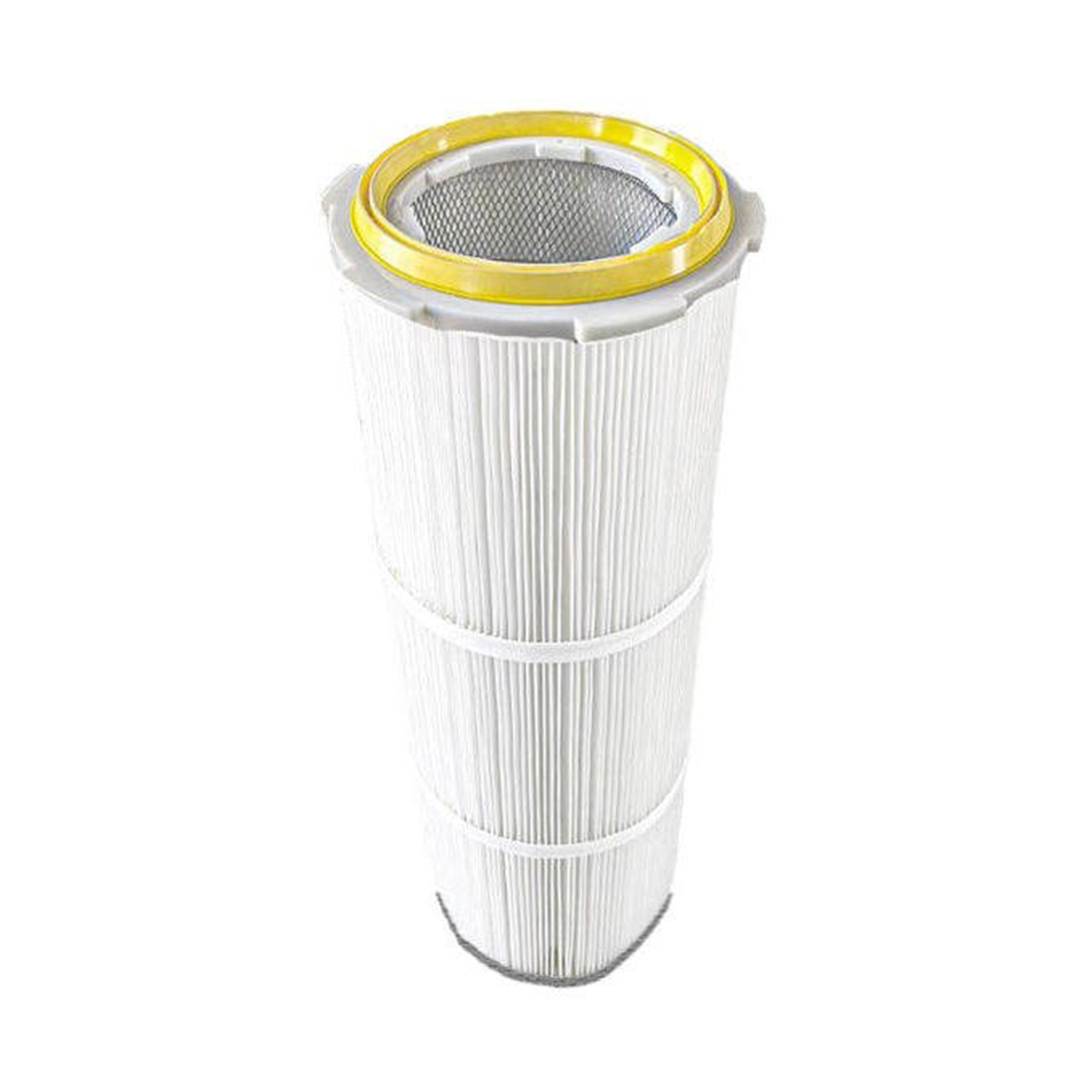
Cartridges dominate when handling ultra-fine, dry, free-flowing particulate. Nano-fiber or PTFE-coated cartridges capture welding fumes effectively. They handle plasma cutting smoke brilliantly. Fine pharmaceutical powders also match perfectly to pleated media. These applications produce extremely small micron particulate. The dense pleating traps this dust on the surface layer. Pulse-jet cleaning then knocks the fine dust off efficiently.
Moisture creates severe complications for filtration media. Hygroscopic or slightly oily dust destroys a pleated cartridge permanently. The media absorbs ambient moisture quickly. This creates an impenetrable paste across the pleats. It blocks all airflow instantly. Tubular setups handle this much better. They use specialized finishes like singed or glazed treatments. These shed sticky particulates much more effectively during the cleaning cycle.
Particulate Compatibility Chart | ||
Dust Type | Recommended System | Primary Reason |
|---|---|---|
Wood Shavings & Fibers | Tubular Media | Prevents bridging across pleats; allows easy release. |
Welding Fume & Smoke | Pleated Cartridge | High surface area captures sub-micron particulate efficiently. |
Sticky or Oily Dust | Tubular Media | Glazed finishes shed agglomerated paste effectively. |
Dry Pharmaceutical Powder | Pleated Cartridge | PTFE coatings provide excellent release of fine dry powder. |
You must evaluate volume requirements carefully. You need to scale the extraction network to fit your operational layout. Airflow volume dictates the physical size of your entire setup.
Sometimes you isolate specific machines. Other times, you centralize the entire plant extraction network. Isolating highly combustible materials often prevents dangerous cross-contamination. Centralization reduces the total number of maintenance nodes. You base this decision on your facility workflow and simultaneous machine usage.
Entry-level setups rely heavily on localized extraction methods. You might install a single bag dust collector to manage one specific machine. Larger standalone heavy machinery often pairs perfectly alongside a double bag dust collector. These units sit adjacent to the dust source. They minimize ducting runs and conserve static pressure.
Medium shops scale this framework up based on concurrent machine usage. They might require a 2 bag dust collector for growing demands. Alternatively, specialized two bag dust collector setups capture debris from multiple tools at once. A dual configuration easily manages heavier CFM outputs safely. As airflow demands increase further, facilities install a 3 bag dust collector. You might also deploy a triple bag dust collecto to handle sudden surges efficiently.
High-capacity centralized networks demand robust modular arrays. A 4 bag dust collector manages heavy grain loading across multiple branch ducts simultaneously. These massive arrays pull thousands of cubic feet per minute. They maintain strict transport velocities across extensive ducting networks.
Calculating air-to-cloth ratios prevents premature filter failure. You divide the total airflow by the total square footage of filter media. Lower ratios suit heavy loading scenarios. Higher ratios work exclusively for light, ambient extraction. Proper calculation guarantees optimal filtration velocity. It prevents dust from penetrating deeply into the media fibers.
Common Air-to-Cloth Ratio Benchmark Chart
Application | System Type | Typical Ratio (CFM/sq ft) |
|---|---|---|
Heavy Woodworking | Tubular Media | 8:1 to 10:1 |
Metal Grinding | Cartridge Media | 2:1 to 3:1 |
Ambient Fume Extraction | Cartridge Media | 3:1 to 4:1 |
We must evaluate the hidden operational friction points. You will live alongside these constraints over a 5-to-10-year lifecycle. Maintenance requires dedicated time, effort, and facility space.
Cartridge collectors pack massive filter areas into very small boxes. They fit easily under standard ceilings. Conversely, an industrial bag dust collector relies on immense vertical height. These units utilize 8 to 12-foot filter sleeves. You need significant headroom for daily operation. Routine replacement also demands extensive vertical clearance above the unit.
Maintenance represents a major physical reality for any facility. Workers can usually swap cartridges quickly from outside the cabinet. They slide the old units out. They slide the new ones in. Changing long sleeves inside complex bag dust collector systems requires much more effort. Operators often perform confined space entry. They must remove internal metal cages. This cumbersome process leads to longer equipment downtime.
Pulse-jet systems blast compressed air to dislodge caked particulate. Cartridges respond incredibly well to this method for dry dust. Tubular units utilize either mechanical shakers or pulse-jet actions. Shakers physically agitate the media to drop the caked dust layer into the hopper below.
Operators frequently mention common user pain points. You must watch out for these operational hazards:
Improperly seated sleeves leak dust everywhere across the shop floor.
A loose snap band allows fine particulate to bypass the filtration stage entirely.
Clogged cartridges become almost impossible to clean manually.
Moisture entering the compressed air lines destroys filter media quickly.
Navigating regulatory requirements protects your workers and your facility. You must mitigate risks actively during the initial implementation phase. Ignoring safety standards invites disastrous consequences.
Combustible dust regulations dictate strict design parameters globally. You must implement explosion venting. You must install reliable isolation valves. Rotary airlocks prevent fire from traveling back into the facility. This applies heavily to wood, grain, and metallic particulates. Following the rigorous guidelines from the National Fire Protection Association (NFPA) ensures maximum worker safety. OSHA inspectors look closely at these exact safety mechanisms during routine audits.
Airflow engineering inside the cabinet dictates overall performance. Downdraft designs push particulate naturally toward the hopper. They use gravity to their advantage. Updraft designs force air against gravity. This upward velocity can cause severe dust re-entrainment. Fine particulate gets caught in a turbulent loop. It never settles into the hopper properly.
Manufacturers often exaggerate filter lifespan based on pristine laboratory conditions. You should challenge these claims aggressively. Calculate actual lifecycle performance based on heavy-load realities. A heavily loaded Bag Dust Collector performs vastly differently in the real world than on a marketing sheet. Rely on empirical data and field testing to determine true maintenance intervals.
You need a smart sourcing strategy to secure the best equipment. Vendor evaluation and regional availability play massive roles in your final decision. The right partner ensures long-term operational success.
Buying pre-engineered modular arrays saves months of waiting. Custom fabrication takes much longer. It also increases your upfront capital expenditure significantly. Modular units adapt easily to future facility expansions. You simply add another module when production demands increase. This provides ultimate flexibility for growing manufacturing plants.
Manufacturing hubs for industrial equipment have shifted globally over the past decade. Many companies look toward emerging centers to secure reliable machinery.
You must prepare specific information before contacting a vendor. We recommend gathering the following data points first:
Calculate your exact CFM requirements across all active machinery.
Collect Material Safety Data Sheets (MSDS) for your specific dust.
Determine the required static pressure for your ducting network.
Measure your available floor space and ceiling height accurately.
Assess your local compressed air capacity for pulse-jet cleaning.
We must summarize the core decision binary clearly. Buy a cartridge system to save space when dealing with fine, dry powders. Buy a tubular system for reliable continuous operation. They handle heavy, fibrous, or challenging material loads exceptionally well. Do not compromise on your media selection.
Your next steps require precise data gathering. Request a facility-specific airflow audit from a certified technician. Speak directly to an application engineer about your unique particulate challenges. Do not guess your airflow requirements. Accurate measurement prevents catastrophic equipment failure. Implement the right filtration architecture today to protect your workforce tomorrow.
A: You risk catastrophic failure if you ignore material characteristics. Space savings mean absolutely nothing if fibrous materials blind the new pleated filters within three days. Always match the media to your specific particulate profile first.
A: Replacement timelines vary based on shift usage and cleaning mechanisms. Cartridges typically require replacement every one to two years under normal loads. Woven or felted tubular media often lasts three to five years before requiring a full changeout. Regular differential pressure monitoring tells you exactly when replacement becomes necessary.
A: Localized setups easily handle isolated machinery. However, you face strict CFM limits. When simultaneous machine usage exceeds local capacity, you must transition from a small standalone unit to a centralized, ducted industrial setup to maintain safe capture velocities across all branches. A bag dust collector scaled correctly prevents debris buildup inside ductwork.


