Telephone: +86-187-1379-6222 WhatsApp: +8613785726449 Phone: +86-0317-8301268 Email: btxthb@china-xintian.cn

Please Choose Your Language


Views: 0 Author: Site Editor Publish Time: 2026-06-30 Origin: Site


Unmanaged particulate matter quickly reduces equipment lifespan and destroys workplace air quality. It creates serious combustible dust hazards and invites steep regulatory penalties. You simply cannot ignore proper air filtration. Selecting the right dust collection system stands as a critical infrastructure decision for any modern facility. While cartridge filters handle fine, dry dust well, they often fail under severe conditions. A rugged bag dust collector remains the industry standard for managing heavy dust loads. They excel when processing larger particulates or operating in highly abrasive and high-temperature environments.
This guide gives facility managers and engineers a practical, evidence-based framework. You will learn how to evaluate various applications and calculate accurate sizing requirements. We will also explore real-world implementation challenges to ensure your system performs optimally. Making the right choices now prevents operational bottlenecks later.
Application matching is paramount: Bag collectors outperform cartridges in high-dust-loading, fibrous, or abrasive applications (e.g., woodworking, mining, cement).
Capacity dictates configuration: System sizing scales from a single bag dust collector for localized extraction to multi-bag units (4 bag dust collector) for centralized facility processing.
Media defines performance: Filter material must be matched to the chemical, thermal, and moisture profile of the exhaust stream to prevent blinding and frequent changeouts.
Compliance is non-negotiable: Implementations must account for local environmental regulations and combustible dust standards (e.g., OSHA, NFPA).
Many facilities struggle when managing large volumes of diverse particulate matter. Pleated cartridges work perfectly for welding fumes or light pharmaceutical powders. However, heavy industrial environments demand significantly more robust solutions. Implementing heavy-duty bag dust collector systems becomes critical for continuous operational survival. We must match the equipment directly to the specific burden generated by the facility.
Woodworking generates highly fibrous, interlocking materials. If you use standard pleated filters here, they bridge and clog almost immediately. A dedicated woodshop bag dust collector easily handles varying particle profiles. It effectively captures everything from heavy, coarse sawdust to ultra-fine sanding dust. The smooth, vertical walls of filter bags prevent fibrous shavings from becoming trapped. This keeps your suction rates consistently high throughout the workday.
Metalworking and abrasive blasting produce incredibly dense and destructive particulates. These materials act exactly like airborne sandpaper. They quickly degrade and tear through thin cartridge media. Thick, woven filter bags offer a much more resilient barrier. They withstand constant physical abrasion while capturing dangerous metal fragments safely. You avoid sudden media failures and dangerous workspace exposures.
Agriculture and bulk powder processing operations involve high-volume, continuous material loading. Facilities often battle fluctuating moisture content alongside dangerous organic combustible dust. Grains, seeds, and fertilizers require massive airflow to remain suspended in ductwork. Baghouse setups excel under continuous loading conditions. They allow you to manage heavy moisture variables without instantly blinding the filtration media.
Cement processing, mining, and mineral extraction create some of the harshest industrial environments imaginable. These sectors demand equipment capable of handling extreme exhaust temperatures. They also deal with highly abrasive mineral dust continuously. Specialized bag units handle massive thermal fluctuations while aggressively stripping heavy stone particulates from the airstream.
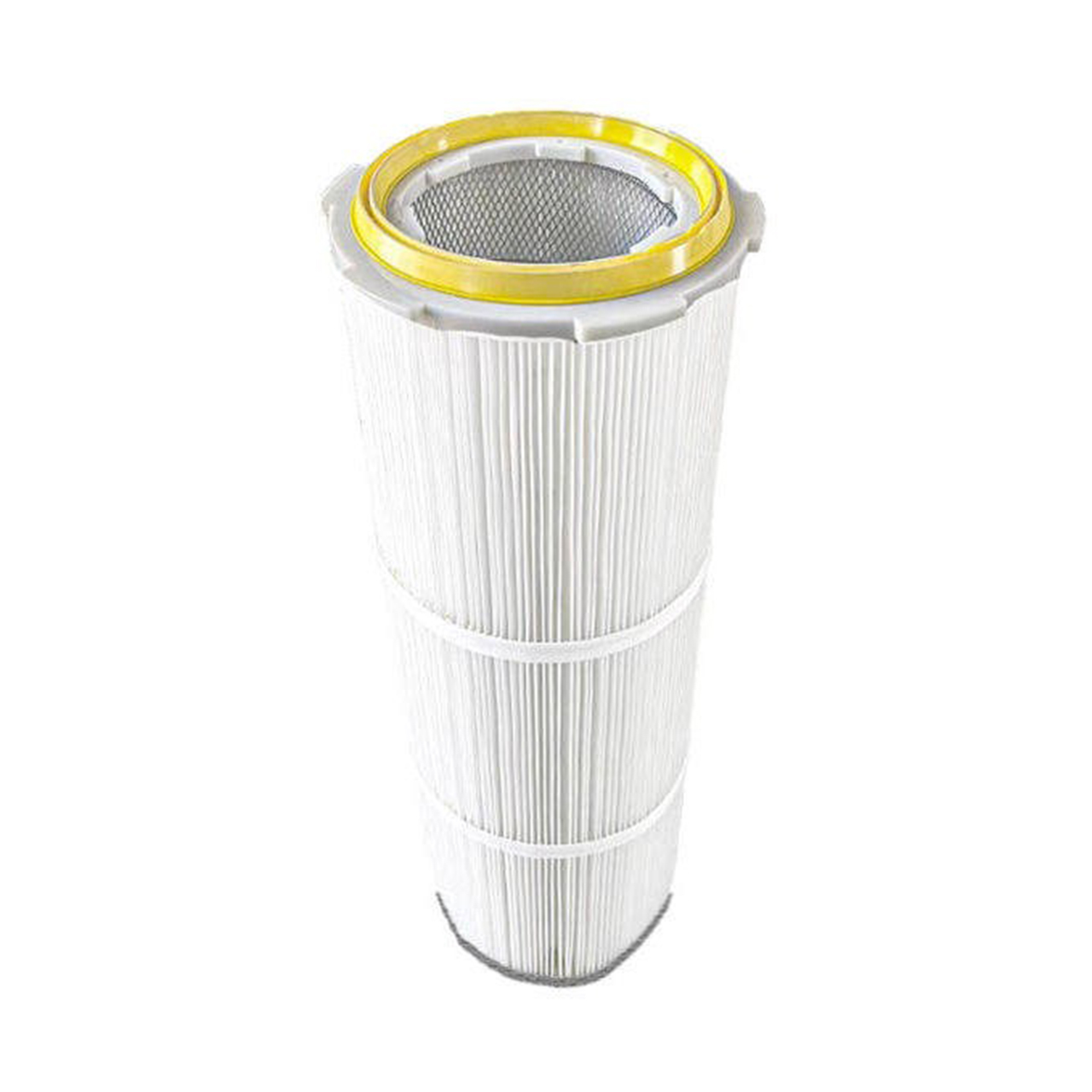
Matching system capacity requires precise engineering calculations. You must closely align your required cubic feet per minute (CFM) and air-to-cloth ratios to your facility demands. Guessing these metrics leads directly to system failure. Let us break down how capacity scales across different operational footprints.
When isolating a single, dedicated machine, installing a single bag dust collector proves optimal. It manages localized operational zones effectively. You avoid running massive duct networks for isolated tasks.
For slightly larger operational zones, you will need a double bag dust collector. These versatile dual setups serve small-to-medium shops exceptionally well. We regularly specify a two bag dust collector for manufacturing cells running two or three machines simultaneously. Operating a well-sized 2 bag dust collector balances tight floor space constraints with excellent capture velocity.
Stepping up to facility-wide extraction demands significantly greater cubic capacity. Integrating a 3 bag dust collector helps you transition smoothly into centralized management. It provides the static pressure needed for complex trunk-and-branch ductwork designs. Engineers frequently utilize a triple bag dust collector to manage medium-scale operations.
Heavy, continuous particulate loading across large manufacturing floors requires maximum airflow. Deploying a massive 4 bag dust collector provides high-capacity, uninterrupted service. These robust setups prevent duct settling and maintain regulatory compliance across entire industrial plants.
Implementation risks run high during the sizing phase. Oversizing your unit creates wasted energy overhead daily. Undersizing reduces your capture velocity drastically. Low velocity causes heavy materials to settle inside your ducts, creating massive fire hazards and leading to rapid filter blinding.
System Capacity & Application Chart | |||
Configuration | Estimated CFM Range | Primary Facility Use Case | Ductwork Complexity |
|---|---|---|---|
1-Bag Unit | 500 - 1,200 CFM | Single machine, localized zones | Direct connection or very short hose |
2-Bag Unit | 1,500 - 3,000 CFM | 2-3 machines, small shops | Simple manifold, short branch lines |
3-Bag Unit | 3,000 - 5,000 CFM | Medium facilities, dedicated cells | Trunk-and-branch routing |
4-Bag Unit (or larger) | 5,000+ CFM | Heavy continuous industrial loading | Complex facility-wide engineered networks |
Selecting the correct filter bag dust collector media determines your entire system's operational lifespan. You must accurately align filter features with specific environmental outcomes. Installing the wrong fabric leads to immediate failure, regardless of how perfectly you sized your fan.
Standard Polyester/Cotton: This serves as the universal baseline choice. It performs reliably for standard, dry, ambient-temperature applications. You will find polyester dominant in standard woodshops and general manufacturing. It offers excellent durability against coarse particles at a reasonable replacement cadence.
Aramid (Nomex): High-temperature applications demand specialized chemical structures. You must use Aramid fibers in metal smelting, foundry work, or asphalt plants. Standard polyester melts under these intense thermal loads. Aramid withstands continuous temperatures up to 400°F (204°C) without losing its structural integrity.
PTFE / Teflon Coated: Sticky or moist particulates refuse to release from standard fabrics. They pack into the weave and block airflow completely. PTFE membrane coatings ensure efficient dust cake release during automated cleaning cycles. They also perform brilliantly for capturing ultra-fine particulates, preventing them from bleeding through the exhaust.
Anti-Static Media: You cannot compromise when operating in combustible environments. Grains, fine wood dust, and specific metal powders pose severe explosion risks. Friction from particulate movement generates massive static electrical charges. Anti-static filters incorporate conductive fibers. They safely dissipate these dangerous electrical charges into the grounded housing, mitigating explosion risks dramatically.
How you clean your filters dictates your maintenance schedule and overall system uptime. Assessing maintenance requirements helps operators manage their daily workflows effectively. Different facilities require different operational cadences.
Mechanical Shaker Systems: These represent the oldest and simplest technology. A motorized shaker physically agitates the bags to dislodge the dust cake. They carry a lower initial purchase cost. However, mechanical shakers require the system to be completely offline during the cleaning cycle. They work best for intermittent batch processes where you can shut down operation periodically.
Reverse Air Systems: Reverse air mechanisms utilize a gentle reverse flow of air to collapse and clean the bags. This gentle action significantly extends the lifespan of the filter media. However, these systems require a much larger physical footprint to house the complex internal baffling. They operate quietly but demand more floor space.
Pulse-Jet Systems: Pulse-jet technology represents the modern industry standard for continuous operations. A timed burst of compressed air blasts down into the bags, expanding them rapidly. This shockwave shatters the dust cake while the system remains fully online. You never have to stop production.
We must offer a skeptical, practical insight here regarding pulse-jet setups. While pulse-jet systems offer superior uptime, they require incredibly reliable, clean, and dry compressed air infrastructure. Failure to provide properly dried compressed air introduces water directly into your filter media. This moisture turns dry dust into solid mud, leading to immediate filter blinding and catastrophic suction loss.
Regulatory compliance remains strictly non-negotiable across all global markets. You must navigate OSHA, EPA, and NFPA (National Fire Protection Association) standards meticulously. These regulatory agencies strictly govern combustible dust mitigation and environmental emissions tracking. Ignoring these frameworks invites facility shutdowns and severe legal liabilities.
Follow this strict shortlisting logic when finalizing your equipment procurement:
Define your exact particulate characteristics, moisture levels, and anticipated daily volume.
Calculate your required CFM and establish a conservative air-to-cloth ratio based on your dust type.
Determine whether your facility demands continuous online cleaning or can accommodate intermittent offline shaking.
Audit your available facility footprint, vertical height clearances, and overhead ductwork routing constraints.
Investing in a high-capacity baghouse system represents a foundational facility decision. It relies entirely on understanding your material volume, particulate type, and operational continuity needs. Cartridge systems fail under heavy, fibrous, or abrasive loads, making bags the undisputed choice for severe industrial applications. Proper sizing prevents wasted energy and ensures you maintain safe capture velocities across your entire plant.
Avoid guessing your CFM requirements or relying on generalized estimates. Contact our engineering team directly for a comprehensive site dust audit. Alternatively, submit your specific particulate specifications and facility layout diagrams today. We will provide a customized, data-backed system recommendation that guarantees regulatory compliance and long-term reliability.
A: Cartridges offer high filtration efficiency for fine, dry dust within a highly compact footprint. However, their pleated design clogs easily under heavy loads. Bags are absolutely required for heavy dust loading, fibrous materials like wood shavings, and extreme temperature environments where cartridges would fail.
A: Replacement frequency varies heavily by application, typically ranging from one to three years. You should govern replacement schedules by monitoring differential pressure readings across the tube sheet. Do not rely merely on calendar schedules, as operational loads dictate actual media degradation.
A: It works only if the simultaneous CFM requirements of your active machinery do not exceed the unit's maximum rated capacity. Furthermore, your ductwork must be perfectly optimized for minimal static pressure loss. Larger commercial facilities almost always require centralized multi-bag systems to operate safely.


